
Mountain Weather Basics
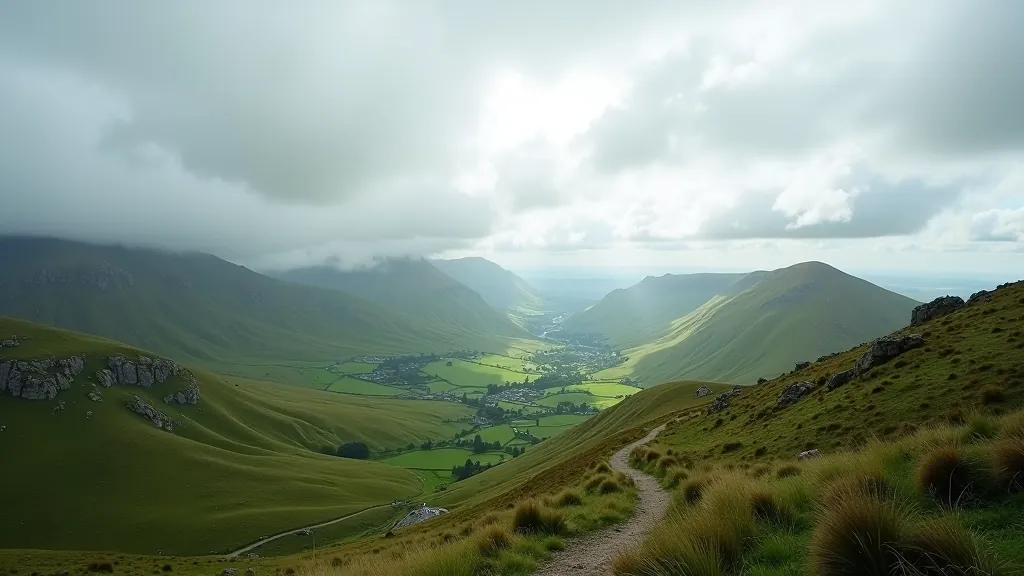
Weather in the Wicklow Mountains isn't random — it follows patterns you can actually understand. The mountains sit just 40 kilometres south of Dublin, but they create their own climate thanks to elevation and exposure.
Here's the thing: it's warmer at sea level and colder as you climb. Every 100 metres of elevation drops the temperature by about 0.6 degrees Celsius. So if it's 15°C in the car park at Glendalough, it's roughly 12°C at the top of Camaderry Mountain. That's why layers aren't optional — they're essential.
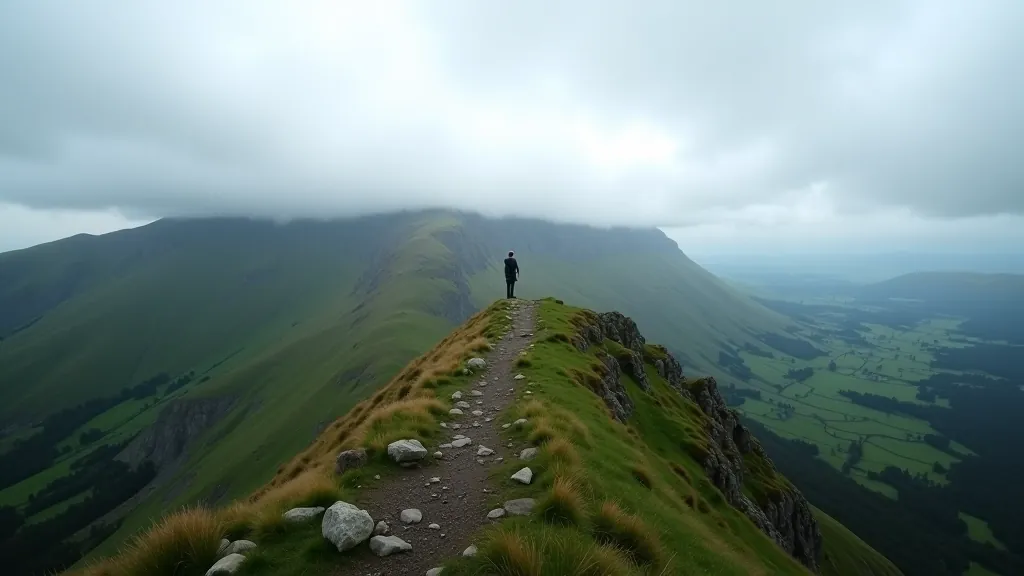
Wind matters too. Mountain peaks catch wind that the valleys never feel. A calm day in the foothills can mean 30km/h gusts at 900 metres elevation. We've all experienced that sudden cold blast when you round a ridge. It's not imagination — it's physics.
- Temperature drops 0.6°C per 100m elevation
- Wind speeds increase significantly above 600m
- Valleys stay warmer and more sheltered
- South-facing slopes dry faster than north-facing
Seasonal Weather Patterns
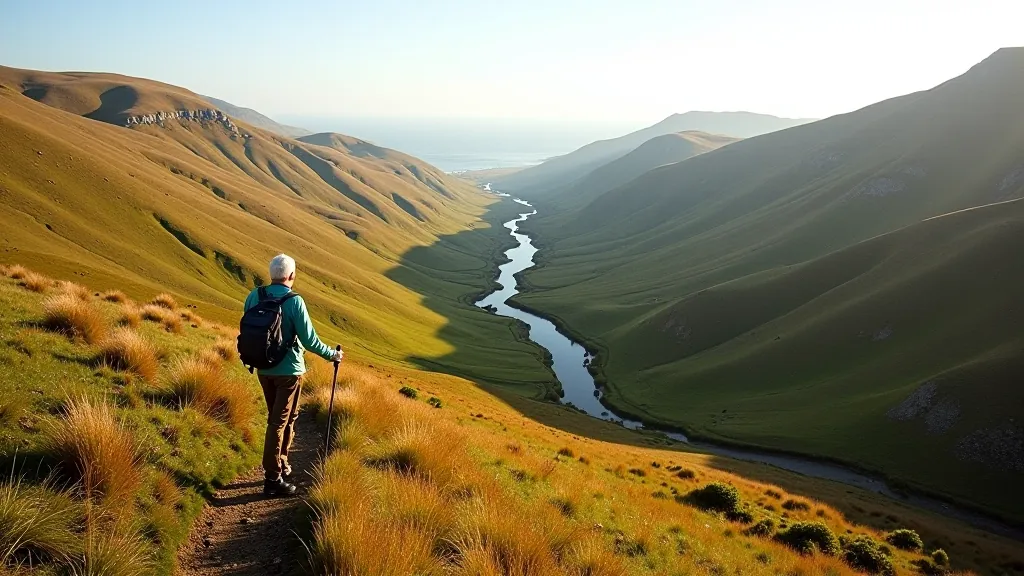
Spring (March to May) is unpredictable — that's the honest version. You'll get beautiful clear mornings that cloud over by afternoon. Temperature ranges swing wildly: 5°C to 14°C across a single week isn't unusual. But spring also brings the driest spell of the year (relatively speaking). If you're planning your first walk, late April or early May gives you the best odds.
Summer (June to August) is warm and mostly settled. You're looking at 14-18°C in the mountains, which feels comfortable for hiking. The catch? Afternoon thunderstorms. They arrive suddenly, dump heavy rain for 20-30 minutes, then clear just as fast. Mornings are reliably your best window.
Autumn (September to November) delivers the clearest days. You'll often get weeks of stable, crisp weather — perfect for walking. Temperatures drop from 16°C in September to 8°C by November. Early autumn (September) is arguably the best month for hiking in Wicklow. Ground's dry, visibility's excellent, and you're not battling crowds like summer.
Winter (December to February) brings the most rain and lowest visibility. Fog settles in valleys, wind increases, and paths get muddy fast. That said, clear winter days are absolutely stunning — the mountains look dramatic with low cloud formations and sharp light. Just don't expect them often.
Reading Weather Signs on the Trail
You don't need an app to understand what's coming. Learn to read the sky and you'll know when to turn back or push forward.
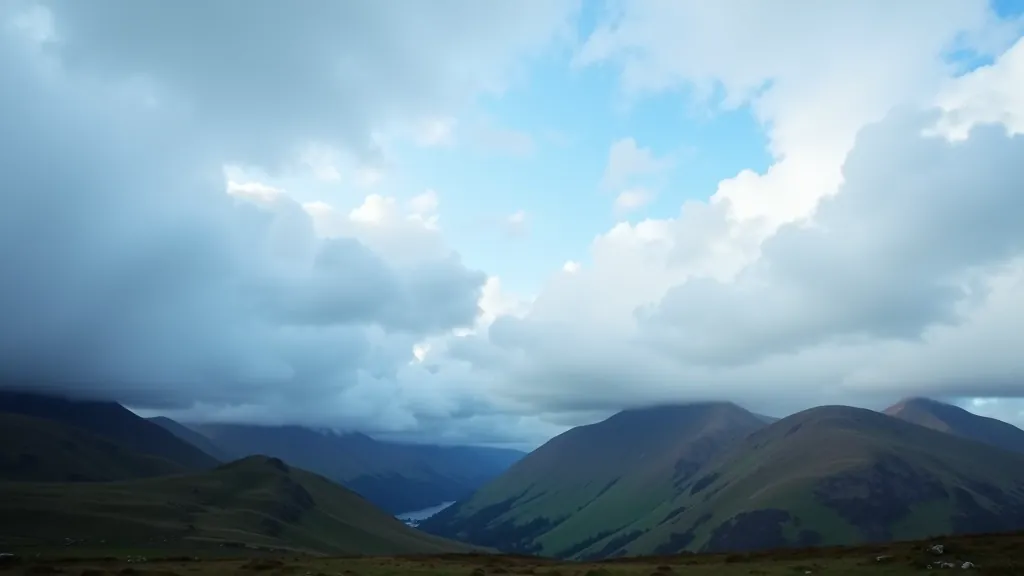
Cloud types tell you what's happening. High, thin clouds (cirrus) mean weather's changing in 12-24 hours. Puffy white clouds (cumulus) usually stay put — good for walking. But when clouds turn grey and flat (stratus), rain's either starting or about to. Watch how they move. If they're moving toward you, you're heading into weather.
Wind direction matters more than wind speed. Winds from the west or southwest bring Atlantic moisture — that's where rain comes from. East winds? Usually dry. North winds bring cold air. If the wind suddenly shifts and temperature drops, a front's moving through.
Pressure changes you can actually feel. Before rain, the air feels heavier and sounds travel differently — distant traffic or wind sounds louder than usual. Your joints might ache too (yes, that's real barometric pressure affecting fluid in your body). Before clearing weather, you'll feel lighter and sounds become crisp.
Animals give clues. Birds flying low and insects swarming mean rain's coming within hours. If you see birds high and active, weather's settling.
Planning Your Walks Around Weather
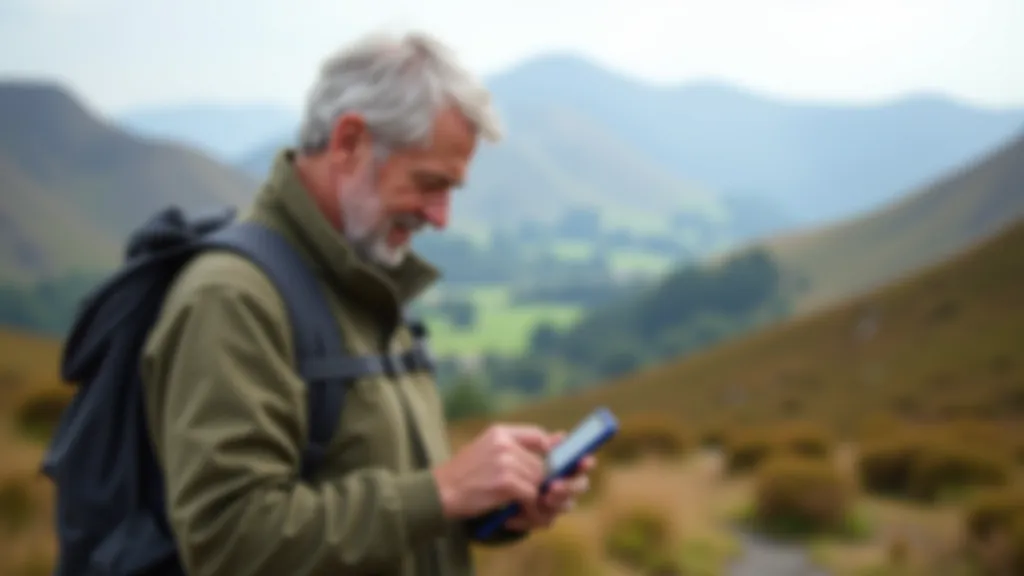
Check the forecast the night before, not the morning of. Weather forecasts improve 12-18 hours out. The morning forecast is often wrong because conditions change overnight. Also check specifically for mountain forecasts — the lowland forecast for Dublin won't match what's happening 900 metres up.
Timing matters as much as date. Summer afternoon thunderstorms mean you should start walks by 8am. Autumn and spring have longer good-weather windows — you can start at 9 or 10am and still be safe. Winter? Start early, finish early. Don't be caught descending in darkness.
Choose your route based on wind direction. If westerly winds are forecast, head to east-facing slopes where you'll be sheltered. If northerly winds are coming, avoid exposed ridges — stick to valley walks. It's not cheating to adjust your plan; it's smart.
Have a backup plan. If your chosen walk requires clear visibility and weather's uncertain, know a lower-elevation alternative that works in cloud or rain. Glendalough Valley Walk works in almost any weather because you're sheltered by the mountains.
Weather Preparation Essentials
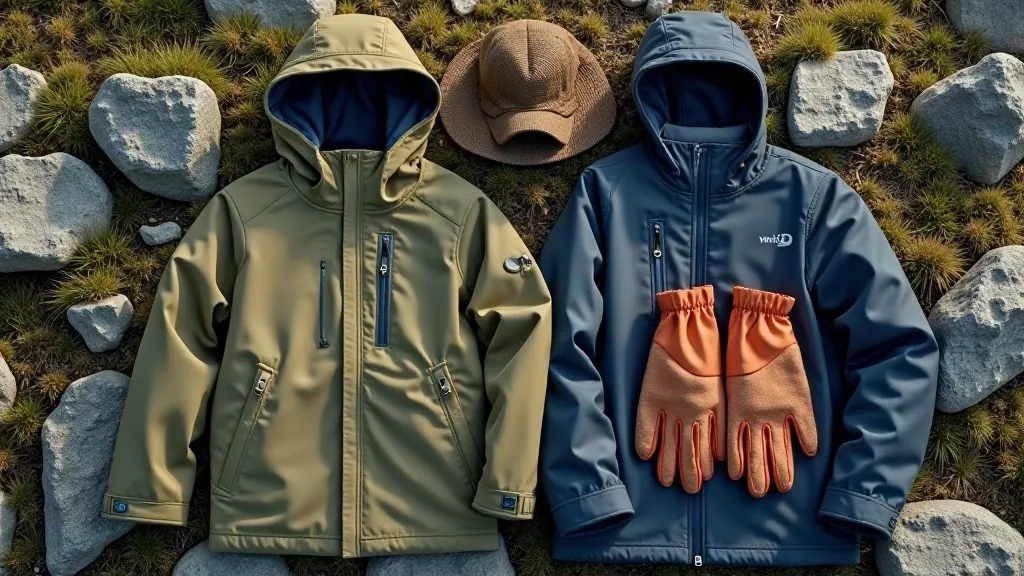
Layers beat single heavy coats every time. You want a moisture-wicking base layer (merino wool works brilliantly — it stays warm even when damp), an insulating mid-layer, and a windproof outer layer. Three separate pieces mean you can adjust as you warm up during walking and cool down at rest stops.
Rain jacket is non-negotiable even on partly cloudy days. Mountain weather changes fast. A compact packable jacket weighs almost nothing and saves you from being soaked. Waterproof trousers matter too — wet legs cool you down dangerously.
Hat and gloves belong in your pack year-round. Heat loss through your head is real (yes, more than 40% of body heat — that's science). Even in summer, a light hat protects from sun and wind. Gloves mean your hands stay functional if temperatures drop.
Socks make a genuine difference. Wool socks (not cotton) keep your feet warm and dry. Carry a spare pair in your pack. Wet, cold feet ruin a walk faster than almost anything else. It's not luxury — it's basic comfort for safe hiking.
Weather Confidence Comes from Understanding
Mountain weather in Wicklow isn't something to fear — it's something to understand. Once you recognize the patterns and learn to read the signs, you'll make better decisions about when and where to walk. You'll stay comfortable and safe without overthinking it.
Start with spring and autumn walks when weather's most stable. Watch how the mountains respond to different conditions. After a few walks, you'll develop instinct about what the sky's telling you. That's when hiking becomes genuinely enjoyable instead of nerve-wracking.
The mountains will always be there. They'll be beautiful in sunshine, dramatic in cloud, and peaceful in rain. Proper preparation just means you get to experience all of it safely.
Important Note
This article provides educational information about mountain weather patterns for planning purposes. Always check official weather forecasts and mountain safety guidance before heading out. Conditions can change rapidly in mountain environments. If you're new to hill walking, consider going with an experienced walker or local guide on your first few trips. Local knowledge from people familiar with these specific mountains is invaluable.