
Why Leg Strength Actually Matters
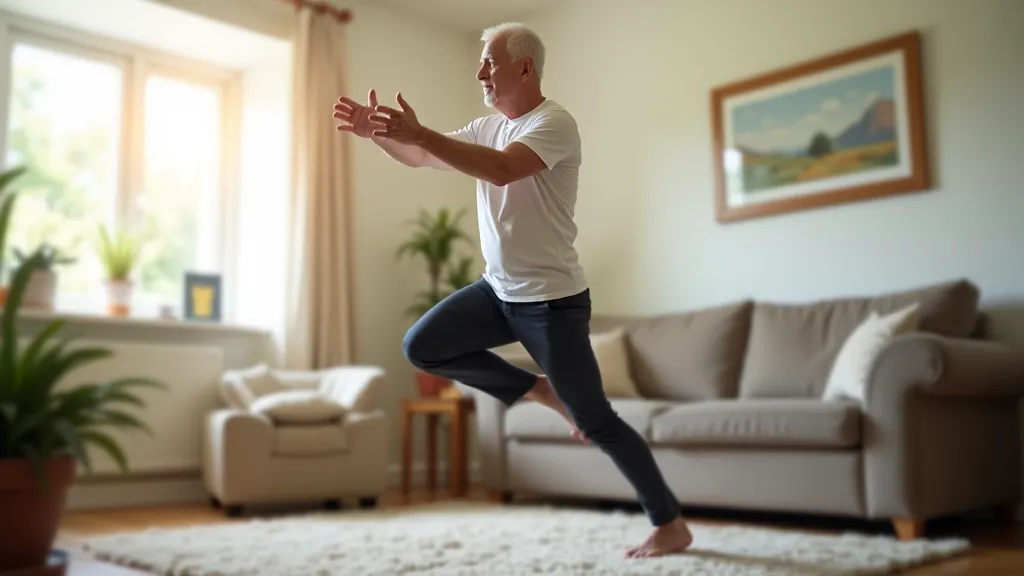
Walking uphill isn't just about moving forward. Your legs are doing three things at once — pushing you up, controlling your descent, and keeping you stable on uneven ground. That's why we focus on these specific movements rather than gym-style strength work.
The good news? You don't need to lift heavy weights. Walking on stairs, gentle squats, and simple balance exercises build exactly the kind of strength you need. We're talking about functional strength — the kind that works in real situations, not just on machines.
Most people start noticing real changes in 4-6 weeks of consistent practice. Some feel better within 2-3 weeks. The key is doing this regularly, not intensely.

The Three Exercises You'll Actually Use
Here's the real program. It's three exercises, done 3-4 times per week for 15-20 minutes. Nothing fancy. No equipment needed.
Stair climbing
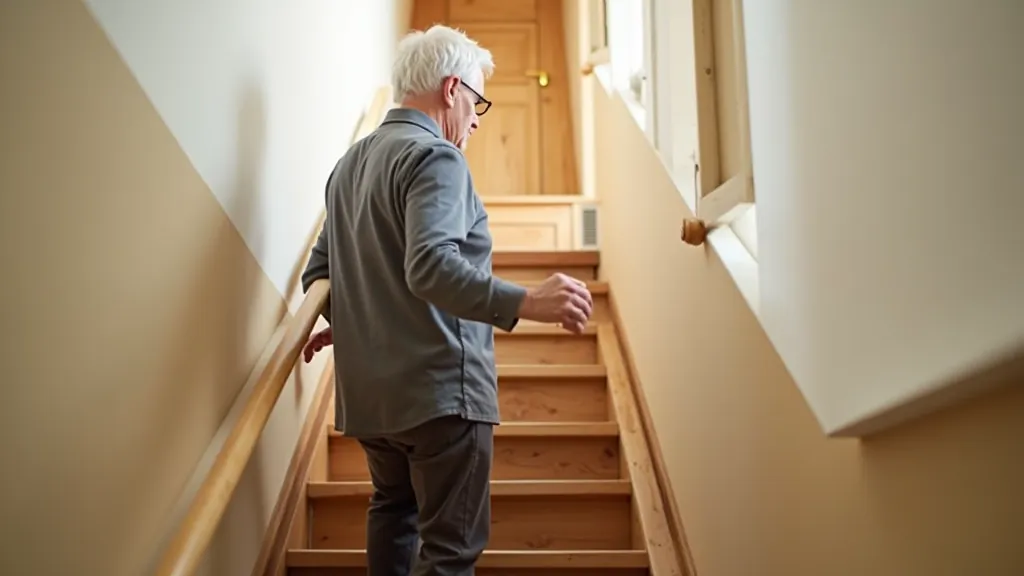
Two flights up, pause at the top for 10 seconds, walk back down slowly. Do this 3 times. Your quads and glutes do the work here — exactly what you need for hiking. It's literally training your legs for the actual movement you'll do on a mountain.
Chair squats
Stand in front of a chair, bend your knees like you're sitting down, then stand back up. Don't actually sit — just touch the seat and push back up. 12-15 repetitions, twice. Feels simple but it's powerful work.
Wall push-ups for balance
Stand facing a wall, lean forward with hands on the wall, step one leg back. Hold for 20 seconds. Switch legs. Do this 3 times per leg. Sounds odd but it's about ankle and calf strength plus balance.
This article is informational only. Before starting any new exercise program, especially if you have existing health conditions, joint issues, or take medications, consult with your GP or a physiotherapist. They can assess your individual situation and modify exercises as needed. Everyone's body is different — what works for one person might need adjustment for another.
The Week-by-Week Plan
You're not jumping into 10 miles on week one. We build this slowly so your body adapts without injury.
Weeks 1-2: Foundation
Two sessions per week. 10 minutes total. Just get the movements right. Don't worry about how many repetitions or how hard it feels. Focus is on technique — full range of motion, controlled movements, no rushing.
Weeks 3-4: Building
Three sessions per week. 15 minutes. Add one more repetition to each exercise. You'll start feeling it in your muscles, which is normal. This is your body adapting.
Weeks 5-6: Solid Ground
Four sessions per week. 20 minutes. Now you're building real endurance. Your legs should feel noticeably stronger — stairs feel easier, standing feels less tiring.
Week 7+: Ready
Maintain three sessions per week. Your legs are ready for a proper walk now. You've got the foundation to enjoy hiking without soreness or exhaustion.

What You'll Feel (And What's Normal)

First week? Your legs will feel tired. That's normal. It's not pain — it's muscle fatigue. You're asking your legs to work in ways they haven't for a while. By day three or four you'll adapt and it becomes easier.
Soreness might happen around day 2-3. That's delayed onset muscle soreness (DOMS). It passes. Stretching helps. Walking gently helps too — sounds counterintuitive but light movement actually speeds recovery.
After about 10 days, you'll notice something shifts. The exercises feel more natural. Your legs respond faster. You're not thinking about each movement anymore — you just do them.
By week 4-5, you'll feel genuinely stronger. Stairs won't wind you. Standing for longer periods won't bother you. Walking from the car park feels effortless. That's the moment you know it's working.
Ready for the Mountains?
This isn't complicated. Three simple exercises, done regularly for 6-7 weeks, and your legs transform. You're not becoming an athlete. You're just building the specific strength you need to enjoy a proper walk through Wicklow without soreness or exhaustion.
The mountains will be there. Your legs will be ready. That's the whole point.
Ready to plan your first walk?
Explore Easy Walking Routes