
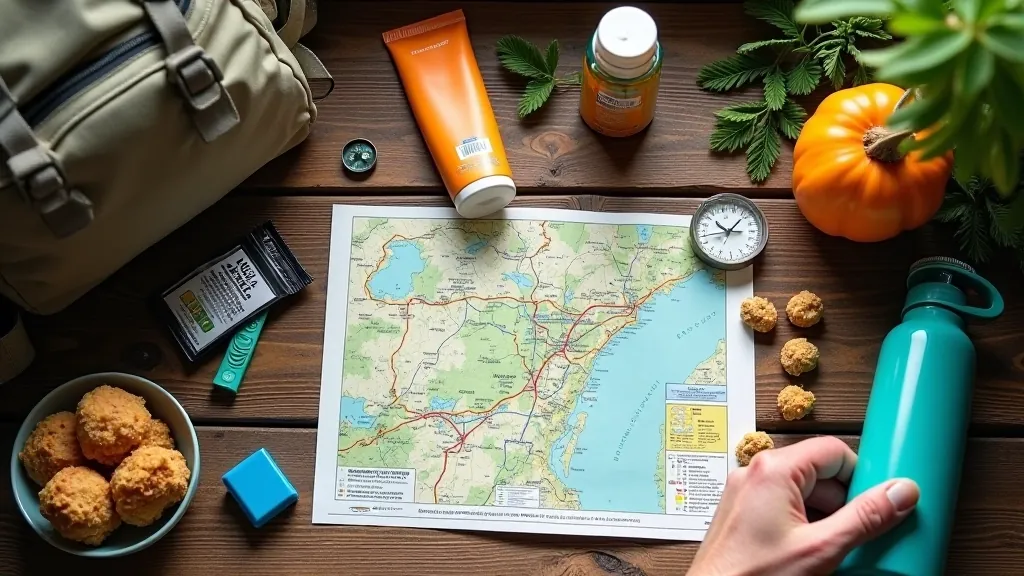
When you're heading out for a walk in the Wicklow Mountains, what you bring matters. We've all been tempted to pack everything "just in case," but that's not what works in practice. The best approach is bringing what you genuinely need — nothing more, nothing less.
Your backpack becomes part of the experience. Too heavy and you'll feel it by kilometre two. Too light and you might find yourself stuck without something essential. Over the years working with groups of walkers, we've figured out the sweet spot. Here's what goes in our packs.
Water & Hydration
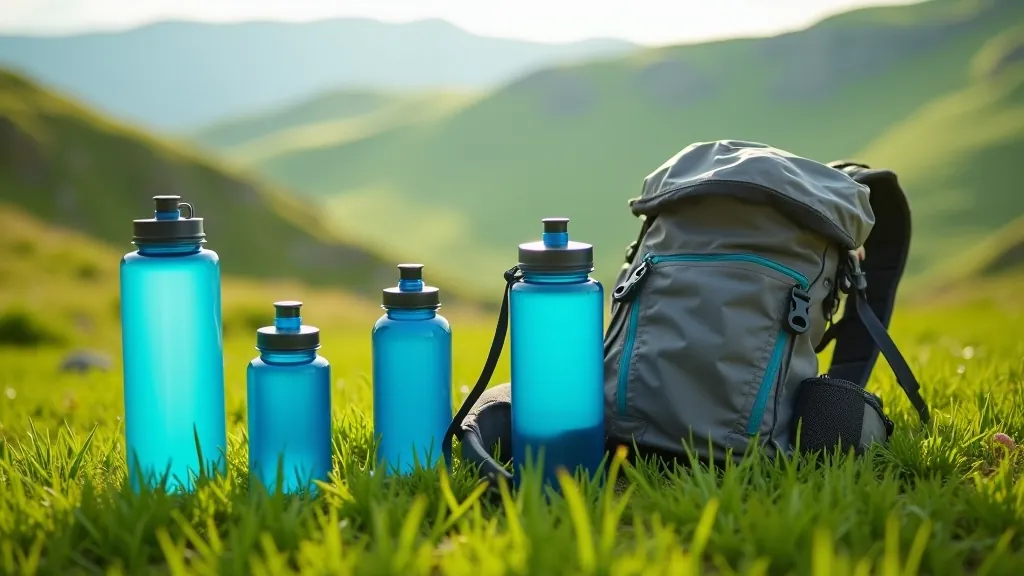
This isn't optional. You'll need between 1.5 and 2 litres depending on the walk length and season. A 1.5-litre bottle or hydration pack works well — they're lightweight and you can refill at streams if you're out for longer routes.
Don't rely on finding water. Even on popular trails, you might walk for an hour without a suitable refill point. Dehydration sneaks up on you. Your legs feel heavier, your head gets fuzzy, and what should've been enjoyable becomes a slog. Drink regularly — small sips every 15-20 minutes rather than one big drink at the top.
In summer, consider an insulated bottle. In winter, keep it close to your body so the water doesn't freeze.
Food & Energy
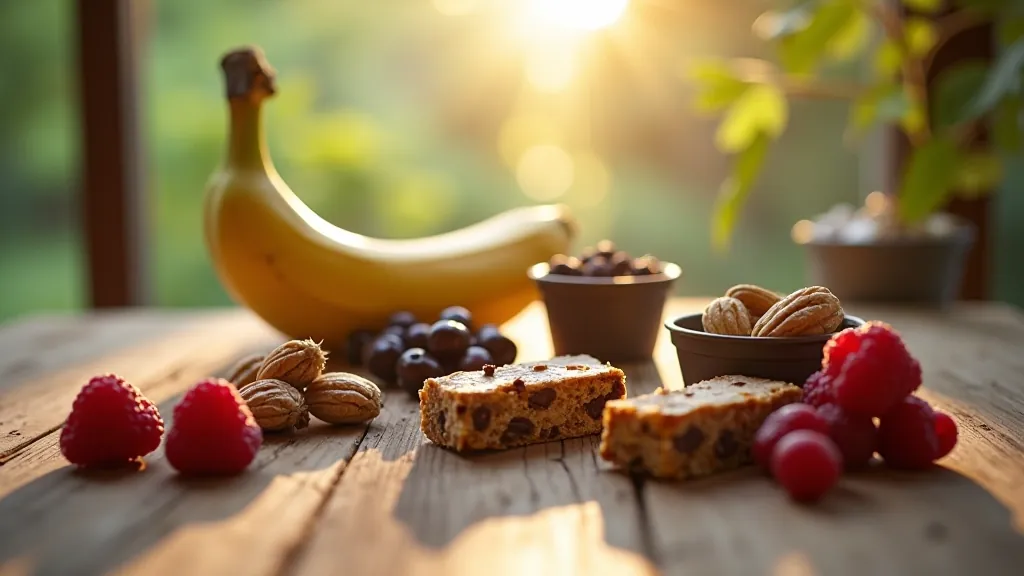
Snacks matter more than people think. Even on a half-day walk, you'll burn real energy. A mix of quick carbs and protein works best — trail mix, energy bars, fruit, and a few biscuits. You're not trying to cook a meal, just maintain steady energy.
We usually pack about 200-300 calories per hour of walking. A banana and a cereal bar cover most of a three-hour walk. The key is eating before you're starving — if you wait until you're exhausted, it's harder to recover.
Avoid anything too heavy or greasy. You want food that sits well and gives you steady energy, not something that makes your stomach feel tight after climbing a steep section.
Weather Protection
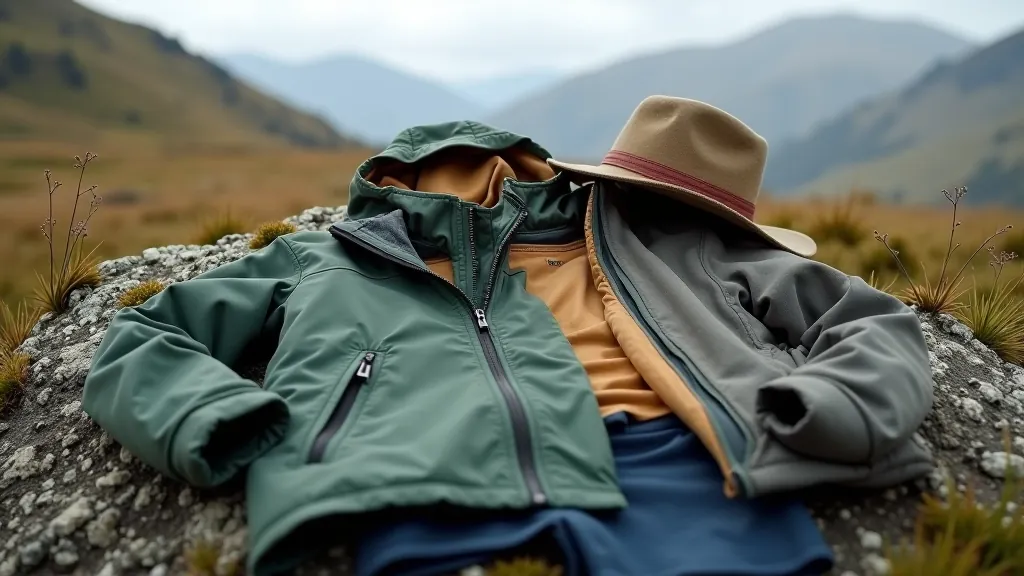
Ireland's weather changes fast. You'll want a windproof layer and waterproof jacket even if the forecast looks perfect. We've seen blue skies turn to rain in 20 minutes. A lightweight packable jacket takes up almost no space but makes a massive difference.
In cooler months (October through April), add a fleece or merino base layer. Cotton holds moisture — stick with synthetic or wool. The difference between being cold and miserable versus cold but comfortable comes down to your layers.
Sun protection matters too. A hat blocks sun and keeps rain off your face. Sunscreen — yes, even in Ireland — prevents painful burns that make walking harder the next day.
Navigation & Safety
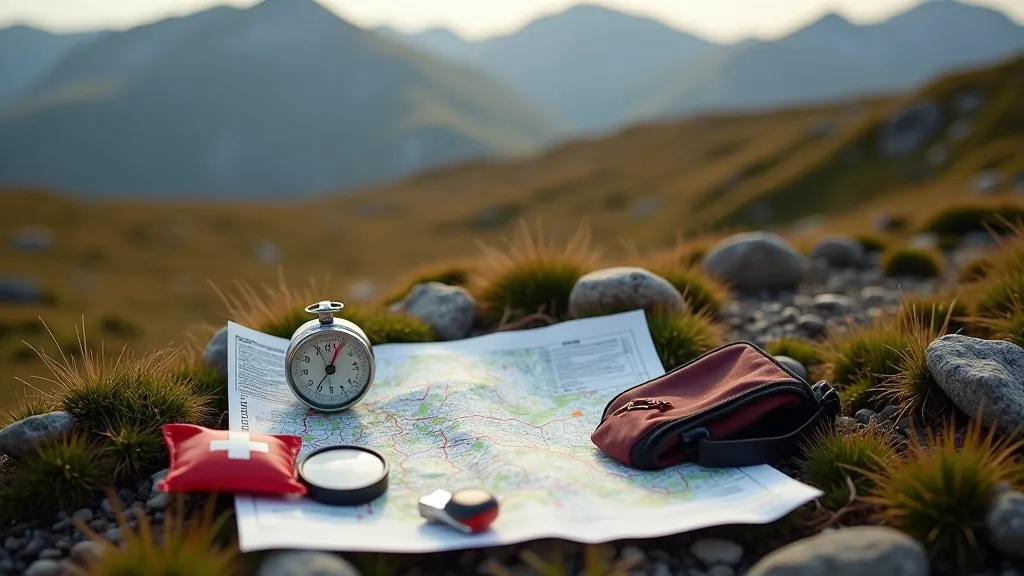
A paper map and compass. Yes, really. Your phone's battery will die, signal drops in valleys, and a map never needs charging. Learn how to use them before you go — don't wait until you're uncertain about which trail branches left.
A basic first aid kit doesn't need to be fancy. Blister patches, pain relief, a small bandage, and plaster tape cover 90% of minor issues. Blisters stop walks faster than anything else, so take them seriously.
Tell someone where you're going and when you'll be back. It sounds obvious but it's the single most important safety step. Even on a busy trail, an accident can happen. If you don't show up, someone knows where to look.
The Backpack Itself
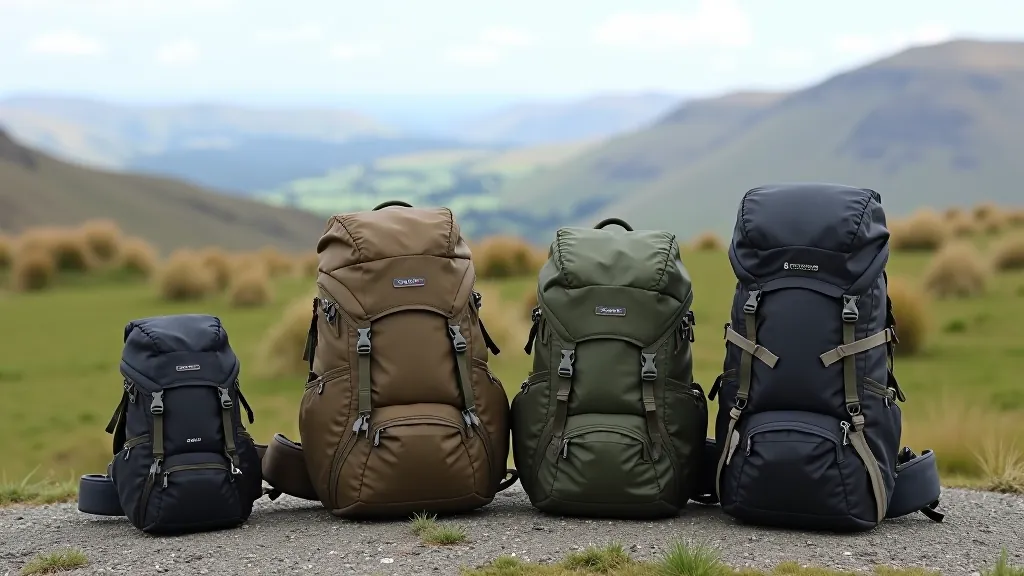
You don't need anything fancy. A 20-30 litre pack works for most half-day walks. What matters is fit — it should sit high on your shoulders with the weight on your hips, not pulling on your neck. A pack that doesn't fit properly will hurt by kilometre three.
Padded straps and a hip belt make real difference. Test it with weight in a shop before buying. Walk around, bend, reach — does it stay in place or does it shift around?
Waterproof or water-resistant is worth it. Your gear stays dry even if you get caught in heavy rain. If money's tight, a waterproof liner bag costs £5 and solves the problem.
Your Pack Checklist
Use this as your starting point. You'll probably add or remove items based on the specific walk and season.
Important Note
This guide is for educational purposes and based on general hiking best practices. Weather conditions, trail difficulty, and individual fitness levels vary significantly. Always check current weather forecasts, trail conditions, and difficulty ratings before heading out. Consider taking a guided walk with experienced leaders before tackling unfamiliar routes. If you have any health concerns, consult with a healthcare professional before starting a new activity.
Ready to Explore
The right gear makes walking more enjoyable and safer. You're not trying to be perfectly equipped for every scenario — you're trying to be comfortable and prepared for the walk you've planned.
Start with this list, do your first walk, and you'll quickly figure out what works for you. Some people carry more, some less. The key is knowing why you're carrying each item. If you can't answer that question, it probably doesn't belong in your pack.
Once you've got the basics sorted, you'll spend more time enjoying the views and less time worrying about comfort. That's when walking really becomes the thing you look forward to.